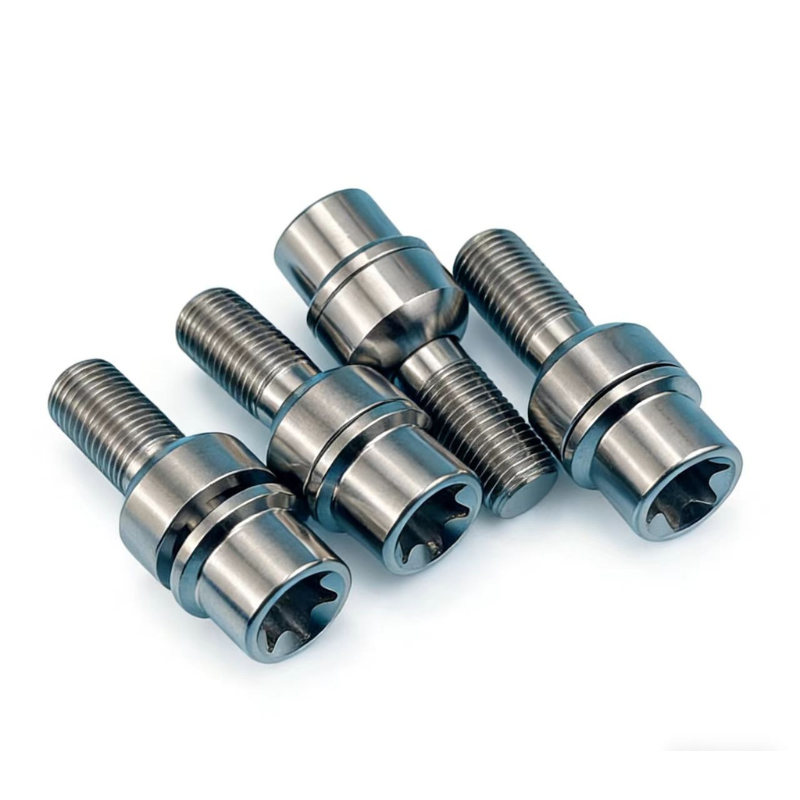
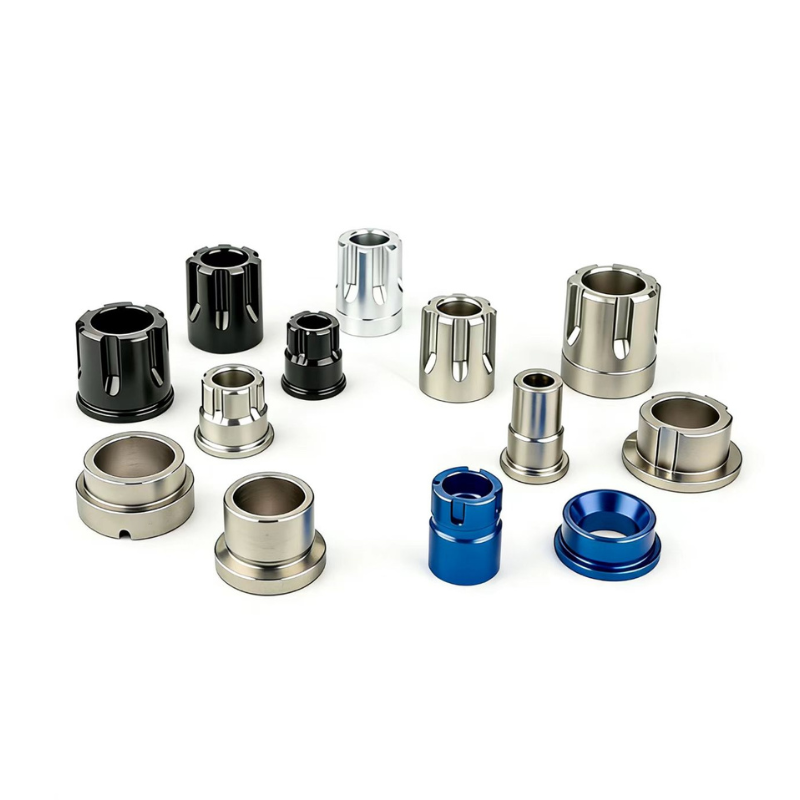
Drone Industry CNC Machined Parts
Drone Industry CNC Machined Parts
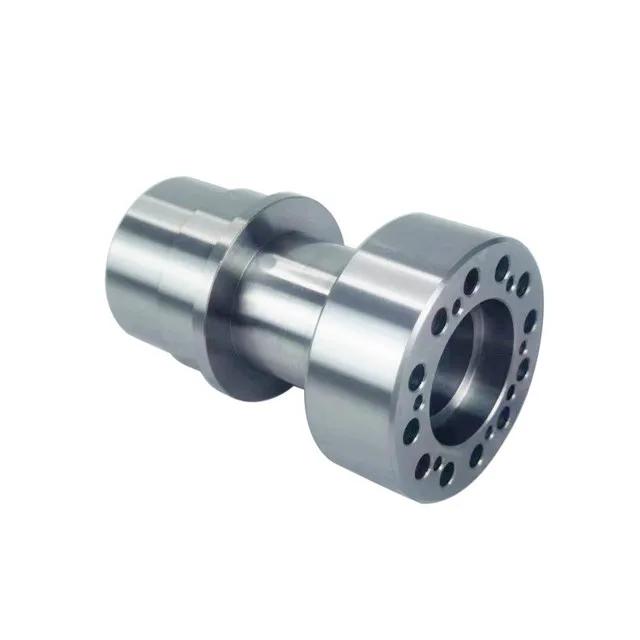
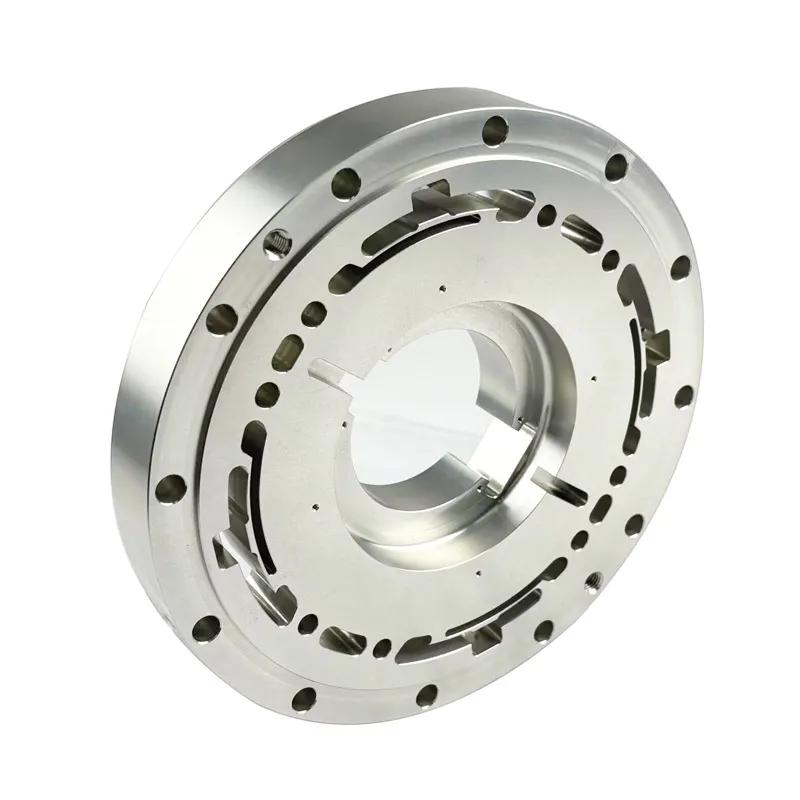
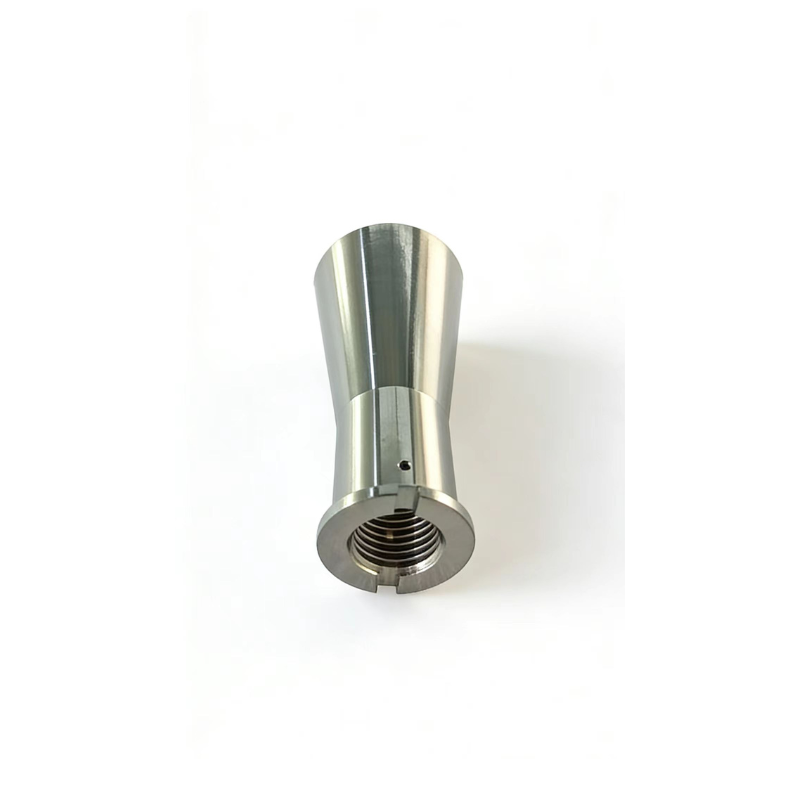
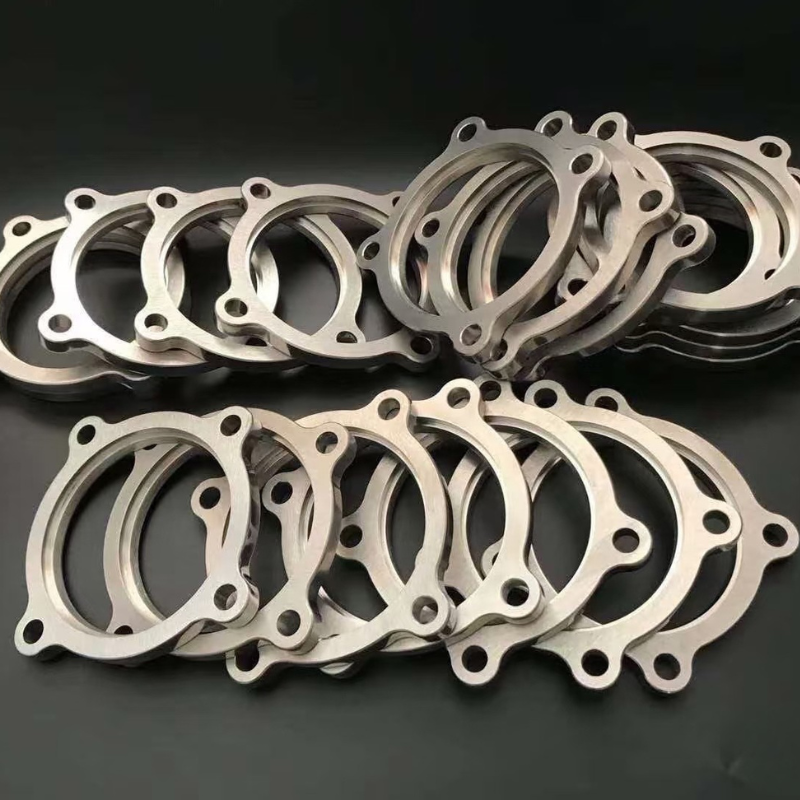
Our precision CNC machining services deliver mission-critical components for the drone (UAV) industry, catering to both commercial and industrial unmanned aerial vehicles. Utilizing advanced 3-axis, 4-axis, and 5-axis CNC machining centers, we process high-performance, lightweight materials into parts that meet the stringent demands for stability, durability, precision, and weight optimization in drone flight systems, payloads, and structural assemblies.
Key Features
UAV-Specific Precision
±0.001mm tight tolerance for reliable flight; advanced CNC and industry-specific QC ensure error-free parts, supporting stable navigation, payload accuracy and long-term reliability—critical for surveying, mapping, agriculture and logistics drones.
Lightweight & High-Strength Material Compatibility
Process drone-grade materials optimized for weight-to-strength (6061/6063/7075 aluminum, Grade 2/5 titanium, carbon fiber composites, PEEK/PVDF, etc.), tailored for corrosion/impact resistance, lightweight design and cost-effectiveness.
Complex Geometry Capability for UAV Assemblies
5-axis CNC machines intricate drone parts (undercuts, multi-angle, thin-wall) ideal for frames, rotor arms, propeller hubs and more, ensuring precise dimensional accuracy for aerodynamic efficiency.
High Efficiency & Fast Turnaround for UAV Production
Automated CNC reduces production time while maintaining quality; flexible runs (prototypes to mass production) with competitive lead times for drone manufacturers' iteration and deadline needs.
Drone-Specific Surface Finish
Customizable surface treatments (anodizing, passivation, etc.) for drone environments; standard Ra 0.8-Ra 3.2 finish, with options to enhance aerodynamics, UV resistance and durability in harsh conditions.
Technical Specifications
| Machining Type | 3-axis, 4-axis, 5-axis CNC Milling & Turning (Drone-Specific Calibration for Lightweight Parts) |
|---|---|
| Tolerance | ±0.001mm ~ ±0.01mm (Customizable based on UAV component requirements) |
| Material Range | Aluminum Alloys (6061, 6063, 7075), Stainless Steel (304, 316L), Titanium (Grade 2, Grade 5), Carbon Fiber Composites, Engineering Plastics (PEEK, PVDF), Lightweight Heat-Resistant Alloys |
| Maximum Workpiece Size | 500mm × 500mm × 500mm (L×W×H) - Larger sizes available upon drone project request for heavy-lift UAV components |
| Surface Finish | Ra 0.8-Ra 3.2 (Standard); Anodizing, Passivation, Powder Coating, Anti-Corrosion Plating, Polishing, Sandblasting (Drone-Specific Optional Treatments) |
| Production Capacity | Prototype: 1-10 Pieces (for UAV Design Validation); Small Batch: 10-1000 Pieces; Mass Production: 1000+ Pieces |
| Quality Control | CMM (Coordinate Measuring Machine), Optical Comparator, Hardness Tester, Surface Roughness Tester, Impact Resistance Testing (Optional) |
Applications
Commercial Drones
Frames, rotor arms, propeller hubs, landing gear and battery enclosures for consumer/professional photography drones.
Industrial Drones
Payload mounts, camera brackets, sensor enclosures and flight control parts for surveying, mapping, agriculture and inspection.
Heavy-Lift Drones
Structural components, cargo brackets and engine mounts for stable logistics/delivery drone payload handling.
Specialized Drones
Custom components for military, search/rescue and environmental monitoring drones (harsh-environment optimized).
Drone Accessories
CNC parts for remote controllers, charging stations and maintenance tools (seamless UAV compatibility).
Quality Assurance & Compliance
We employ a rigorous quality management system aligned with IATF 16949 and ISO 9001 principles, tailored to the unique requirements of the drone industry. Every part is verified using precision equipment like CMMs and optical comparators to ensure dimensional accuracy and performance. We ensure full traceability from raw material to finished component, delivering parts that meet the exacting standards for safety, durability, and precision required by global drone manufacturers and operators.