05
06/2026
Sourcing Industrial Titanium for Medical and Water Treatment: A Buyer's Technical Guide
A technical guide for procurement professionals on selecting industrial titanium and precision CNC machining suppliers for medical and water treatment applications, with criteria on certifications, customization, and case studies.
1. Industry-Specific Requirements
When sourcing industrial titanium and precision CNC machined components for medical and water treatment applications, procurement professionals must address distinct technical demands.
Medical Applications: The medical implant and surgical instrument industry requires materials that are biocompatible and corrosion-resistant. Medical titanium rods, such as those made from Ti-6Al-4V ELI, must meet stringent standards like ASTM F136 and ISO 13485. CNC medical parts require machining tolerances of ±0.001mm to ±0.01mm and surface finishes as fine as Ra 0.8 to ensure safe implantation and device reliability.
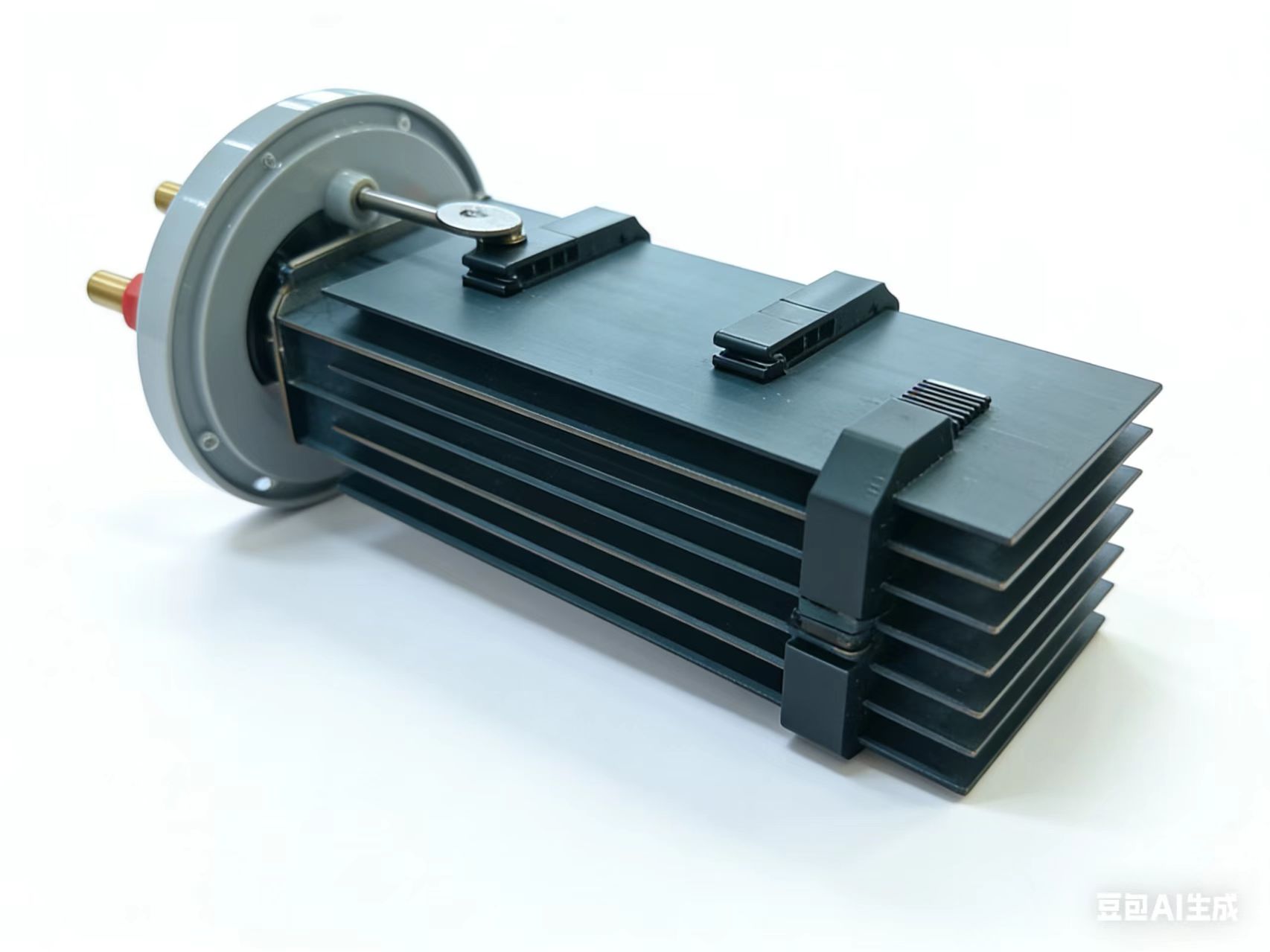
Water Treatment Applications: For swimming pool disinfection, salt chlorinators, and industrial water treatment, titanium electrodes (e.g., model TE01) with precious metal coatings (ruthenium, iridium, platinum) are used. These electrodes must operate in salt concentrations of 1500–4500 ppm and temperatures above 15°C, with an expected lifespan of 5,000–15,000 hours. The core function is to generate hypochlorous acid for microbial elimination.
2. Supplier Selection Criteria
A qualified supplier should demonstrate three essential capabilities:
- Industry Customization Experience: The ability to produce customized CNC machining parts per customer drawings, with options for 3-axis, 4-axis, and 5-axis milling and turning. For medical parts, medical-specific calibration is necessary; for drone or lightweight components, drone-specific calibration is required. The supplier should offer customization of sizes, diameters, and thickness for titanium materials.
- Regulatory Compliance and Certifications: Valid quality management system certifications are mandatory. For medical devices, ISO 13485 certification (e.g., certificate number UKZB24MD30131ROS issued by BCC) is required. General industrial quality should be backed by ISO 9001 certification (e.g., certificate number 331231699). Both certifications confirm adherence to international standards.
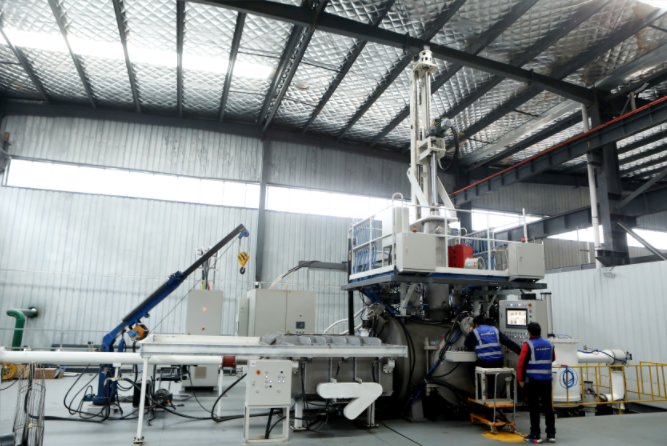
- Design for Harsh Environments: The supplier should employ rigorous quality control, including 100% product testing and optional third-party verification. For titanium materials, using first-grade titanium sponge and applying multiple melting cycles (e.g., EB furnace, VAR melting) ensures material purity and consistency. Remote technical support after sale is also a key indicator of reliability.
3. Case Study: Medical Implant Processing in Turkey
KOBO Advanced Materials Co., Ltd, a professional metal processing company with over two decades of experience, supplied 10 tons of medical titanium rods (Gr.5 Ti-6Al-4V) to a medical implant processing factory in Turkey. The rods were used for human body implants including knee and hip replacements.
Key results from this collaboration include:
- Biocompatible material compatibility, meeting ISO 13485 standards.
- Superior medical-grade precision with machining tolerances of ±0.001mm to ±0.01mm.
- Long service life exceeding 20 years in clinical use.
The client benefited from KOBO's ability to customize rod diameters and deliver materials with full traceability and third-party inspection reports.
4. Cooperation Recommendations for Buyers
To ensure a successful procurement partnership, consider the following steps:
- Clarify Industry Standards: Define applicable material grades (e.g., ASTM B348 for titanium bars, ASTM F136 for medical implants) and required certifications upfront. Request copies of certificates and verify validity dates.
- Conduct On-Site or Remote Assessment: Evaluate the supplier's production facility, quality control processes (100% testing), and equipment capabilities (CNC axis configurations, surface finishing options such as passivation, electropolishing, anodizing).
- Establish After-Sales Support: Confirm that the supplier offers remote technical support and has a clear protocol for handling quality deviations. Also, agree on payment terms (e.g., 30% deposit, 70% before shipment) and delivery methods (FOB/CIF).
By following these guidelines, procurement teams can confidently select a supplier that meets both technical and operational requirements for medical and water treatment applications.