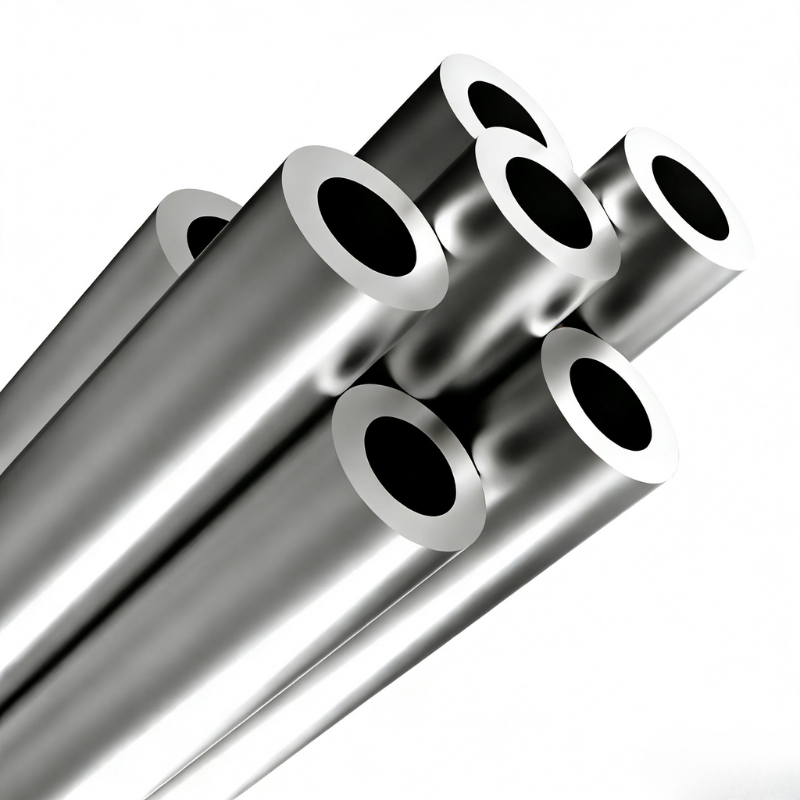
Titanium Tubes
Titanium Tubes
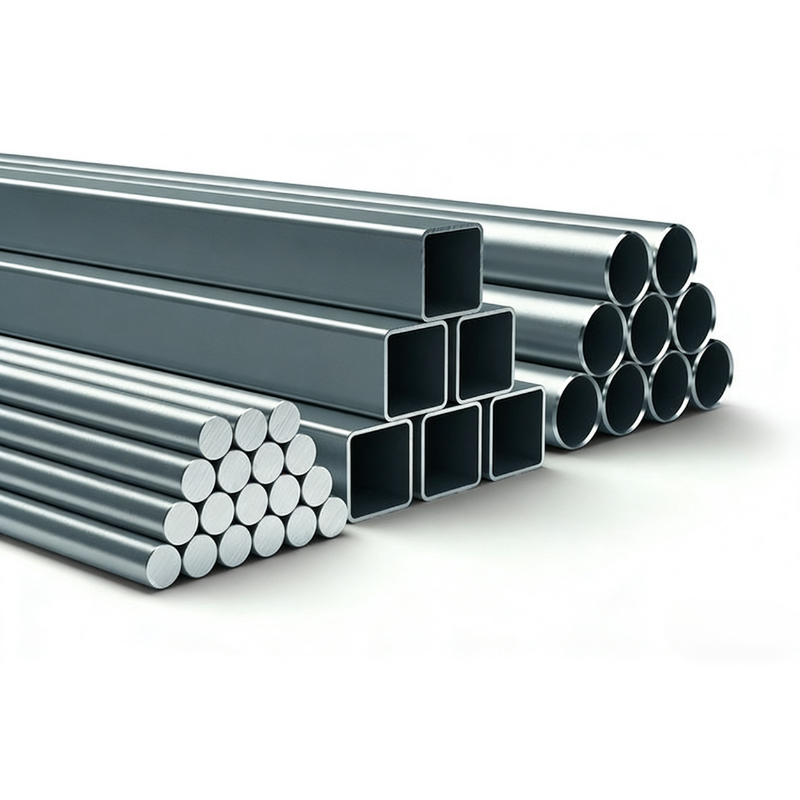
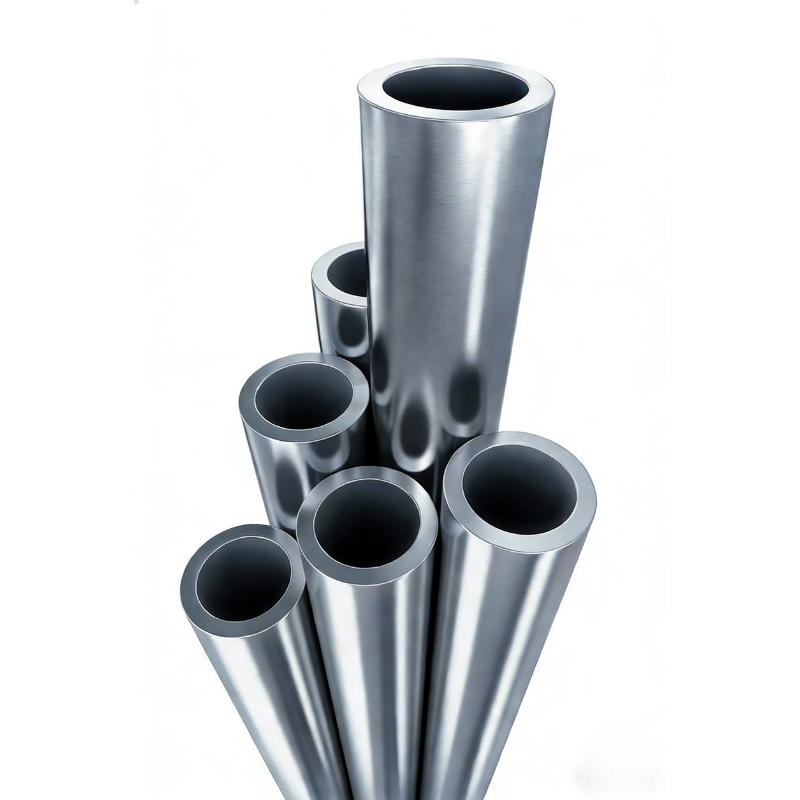
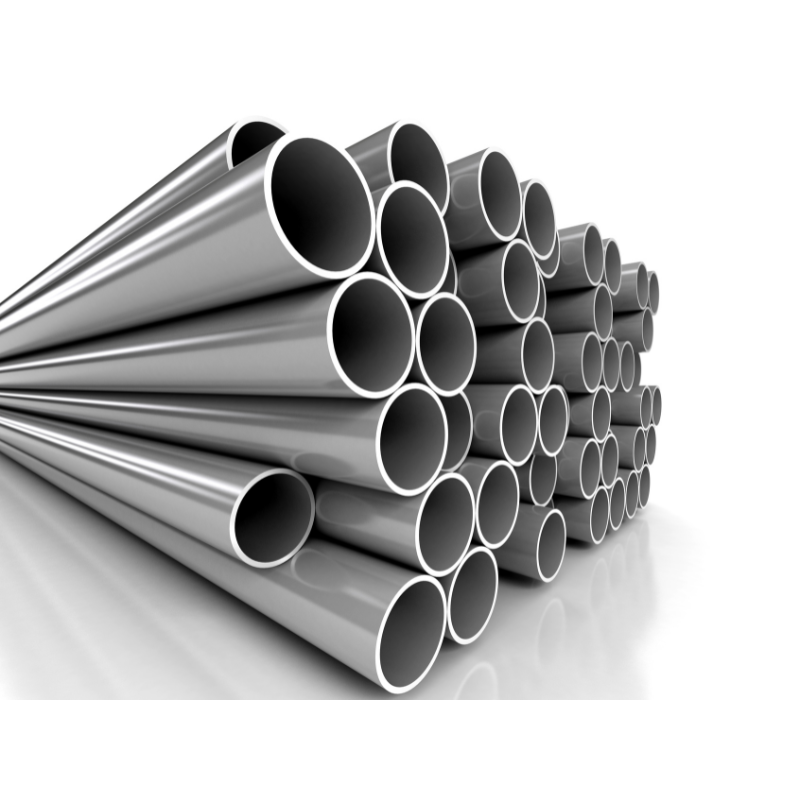
Titanium tubes stand as the benchmark for durability, corrosion resistance, and high-performance in critical industrial applications.
Key Features
1. Superior Corrosion Resistance
Ideal for chemical processing, marine engineering, and desalination systems. Resists pitting, crevice corrosion, and stress corrosion cracking in saltwater, acids, and alkaline solutions.
2. High Strength-to-Weight Ratio
30% lighter than steel tubes with comparable tensile strength, reducing structural load while maintaining structural integrity for aerospace, automotive, and heat exchanger applications.
3. Precision Manufacturing
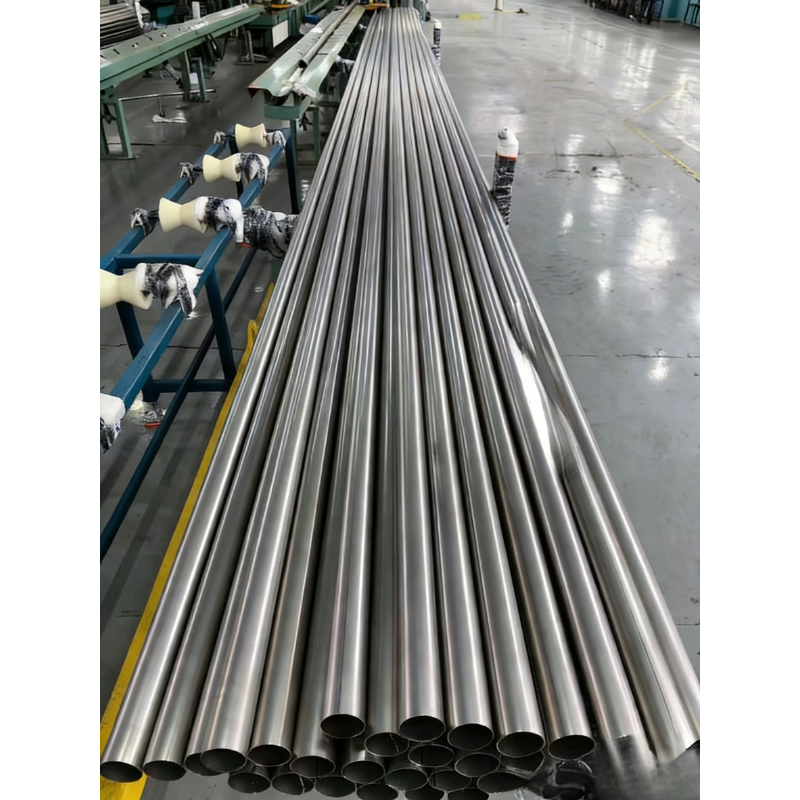
Tolerance control down to ±0.01mm for outer diameter and wall thickness. Advanced seamless/welded forming processes. Uniform surface finish (Ra ≤ 0.8μm) for enhanced fluid flow and reduced friction.
4. Customization Flexibility
Applications
Heat Exchangers & Condensers
High thermal conductivity paired with corrosion resistance maximizes heat transfer efficiency.
Chemical & Petrochemical Plants
Handles aggressive media safely for transportation of acids, alkalis, and solvents.
Marine & Offshore Engineering
Resists seawater corrosion for ship hulls, risers, and subsea pipelines.
Medical Devices
Biocompatible Gr2/Gr5 tubes for surgical instruments, implants, and diagnostic equipment.
Aerospace & Defense
Lightweight, high-strength tubes for hydraulic systems, fuel lines, and structural components.
Quality Assurance & Certification
We are committed to delivering the highest quality titanium tubes, adhering to strict international standards and rigorous quality control processes. Our manufacturing system holds valid certifications for ISO 9001, ISO 13485.
Every batch of materials undergoes comprehensive testing by 3rd party laboratory, including chemical composition analysis, mechanical property testing (tensile strength, yield strength, elongation), corrosion resistance testing, and surface quality inspection, ensuring consistent performance and reliability.
ISO 5832
ASTM B338/ASME SB338
ASTM B337
ASTM B862
AMS 4928
ASTM B861
DIN 17866