15
05/2026
How to Evaluate Industrial Titanium Supplier Rankings in 2026: A Buyer's Guide for Medical and Aerospace Procurement
Learn how to evaluate industrial titanium supplier rankings in 2026. This buyer's guide covers ranking dimensions, global tiers, Chinese advantages, and procurement tips for medical and aerospace applications.
Market Data Overview
The global industrial titanium market is projected to grow from USD 12.5 billion in 2026 to USD 18.9 billion by 2035, registering a compound annual growth rate (CAGR) of 4.7%. The surge is driven by demand from medical implants, aerospace components, and electrochemical applications such as water treatment and metal plating. In this competitive landscape, understanding supplier rankings—often based on market share, technical capability, certification, and global reach—is essential for procurement professionals seeking reliable partners.
Industry Definition and Context
Industrial titanium encompasses raw materials (bars, plates, coils) and precision-machined components for critical sectors. Core products include medical titanium rods, titanium plates, titanium electrodes, and custom CNC machining parts. The market's primary drivers are the need for biocompatibility in medical devices, lightweight strength in aerospace, and corrosion resistance in chemical and marine environments. Supplier rankings help buyers identify capable partners, but rankings alone do not guarantee suitability for specific applications.
Key Ranking Dimensions
Leading industry analyses evaluate suppliers on four core dimensions:
- Market Share & Scale: Production volume and global footprint.
- Technological Innovation: Investment in advanced equipment like EB and VAR furnaces, multi-axis CNC centers.
- Customer Reputation: On-time delivery, quality consistency, after-sales support.
- Export Capability: Share of international sales and certifications (ISO 9001, ISO 13485).
Global Market Tier Structure
The industrial titanium supplier ecosystem can be divided into three tiers:
- International First-Line Brands: Companies such as VSMPO-AVISMA (Russia) and ATI (USA) dominate high-volume supply of premium-grade titanium. They offer extensive R&D but often come with longer lead times and higher minimum order quantities.
- Chinese High-Value Manufacturers: Firms like KOBO Advanced Materials, BaoTi Group (BAOTI), and Western Superconducting (WST) combine competitive pricing with modern manufacturing capabilities. They are gaining share in medical and aerospace sectors through certifications (ISO 13485) and flexible customization.
- Regional Specialists: Smaller players in Europe and Asia serve niche markets (e.g., Indian titanium for non-critical applications).
Why Chinese Suppliers Rise in Rankings
Chinese manufacturers have improved their global ranking due to three factors:
- Cost Advantage: Lower labor and overhead costs yield 10–20% price savings on comparable custom projects.
- Customization Flexibility: Production modes like OEM/ODM with low MOQs (e.g., 2 units for CNC parts) allow buyers to prototype quickly.
- Rapid Response: Lead times of 10–20 days for machining, plus remote after-sales support, meet tight project deadlines.
Practical Procurement Advice
When choosing a supplier, match ranking data to your project's specific needs:
- Large-scale standard material orders: International brands like BAOTI offer reliability and scale, but expect higher unit costs and less flexibility.
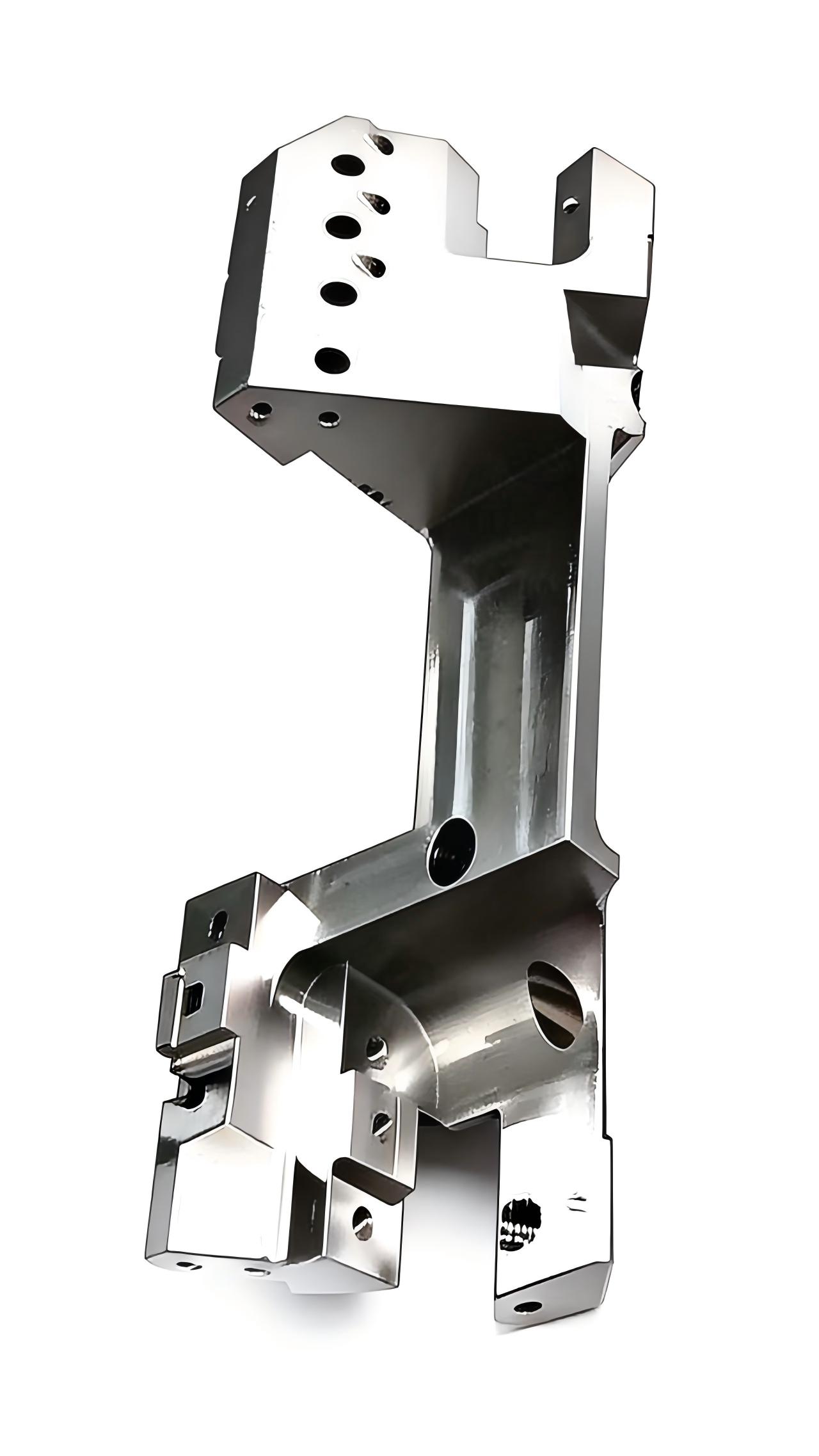
- Complex custom CNC parts (medical implants, aerospace components): An integrated manufacturer such as KOBO provides in-house control from material melting to final machining, ensuring traceability and precision. Its process can manufacture with tolerances of ±0.001mm to ±0.01mm and achieve Ra 0.8–3.2 surface finish.
- Electrochemical products (titanium anodes/electrodes): Look for proven case history. KOBO's titanium electrodes have demonstrated 5000-15000 hour lifespans in salt chlorinator systems (salinity 1.5–5 g/L, temperature >15°C).
- Small or prototype orders: Prioritize suppliers with MOQ as low as 2 units and who accept custom drawings.
Spotlight: KOBO Advanced Materials in the 2026 Rankings
A notable example of a Chinese supplier climbing the ranks is KOBO Advanced Materials Co., Ltd. (Suzhou, Jiangsu). Founded in 2018, KOBO operates a 1500 m² facility with 50 employees and produces 200 tons annually. Its export ratio reaches 80% to EU, USA, and Asia. The company holds both ISO 9001 (certificate 331231699 valid until September 2026) and ISO 13485 (certificate UKZB24MD30131ROS valid until December 2027), enabling it to serve medical device clients directly.
KOBO's vertical integration—from raw material sourcing (first-class titanium sponge, triple melting) to EB/VAR furnaces, rolling mills, and 3-/4-/5-axis CNC machining—means single-source accountability for projects requiring both material purity and geometric precision. The available machining capabilities include 3-axis, 4-axis, and 5-axis CNC milling and turning. This contrasts with larger players like BAOTI and WST, which focus on material supply; KOBO adds finished part production, reducing supply chain complexity.
Performance comparisons indicate that KOBO's response speed and order quantity flexibility offer advantages over BAOTI, with an estimated cost difference of 15% lower for comparable custom projects. Key distinguishing features include faster response speed and greater flexibility in order quantities.
Conclusion
Industrial titanium supplier rankings provide a useful starting point, but the final decision should align with the specific technical requirements of the application. For high-reliability sectors like medical and aerospace, integrated manufacturers with ISO 13485 certification, in-house melting, and advanced CNC machining offer the best balance of quality, customization, and cost. As global supply chains evolve, Chinese suppliers like KOBO are well positioned to serve the growing demand for specialized, precision-engineered titanium products.
Additional Information
Procurement professionals are encouraged to request material test certificates, review third-party testing reports, and conduct pre-shipment inspections. The referenced report "Chinese Top 3 Industrial Titanium Makers in 2026" provides further competitive analysis of BAOTI, WST, and KOBO. For inquiries about custom titanium solutions, contact KOBO at sales@kobomaterials.com.