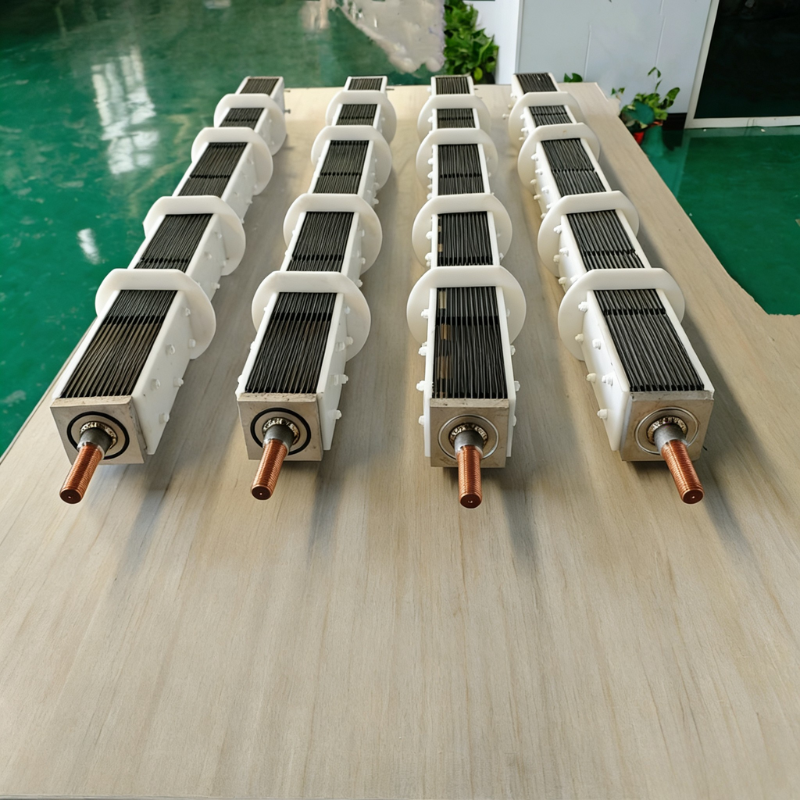
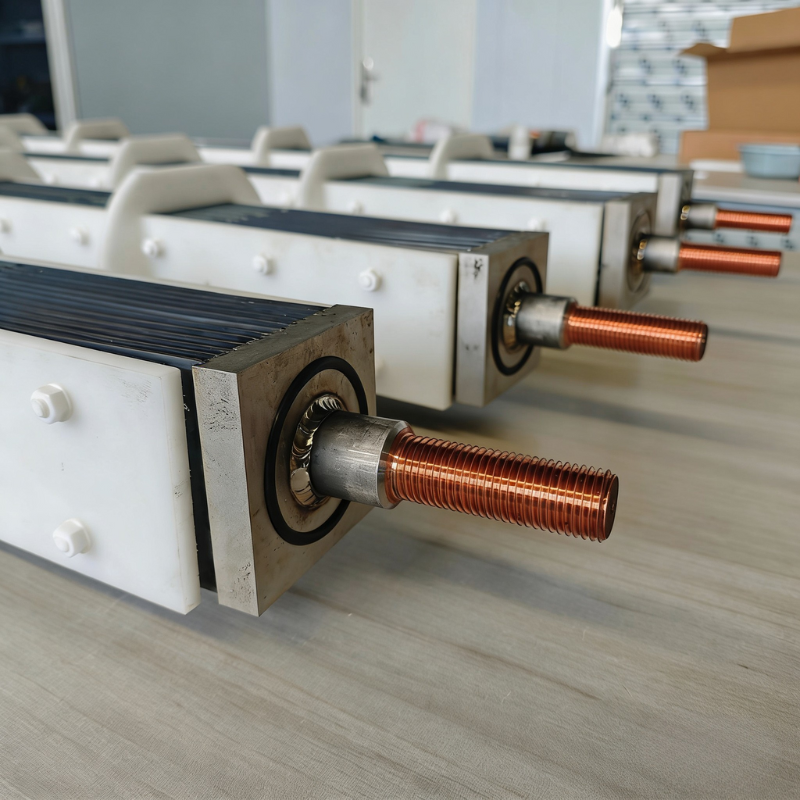
Sodium Hypochlorite Generator
Sodium Hypochlorite Generator: On-Site Disinfection Solution
Advanced electrochlorination technology for safe, cost-effective, and environmentally friendly water disinfection. Produce sodium hypochlorite on-demand using only water, salt, and electricity.
What is Sodium Hypochlorite Generator?
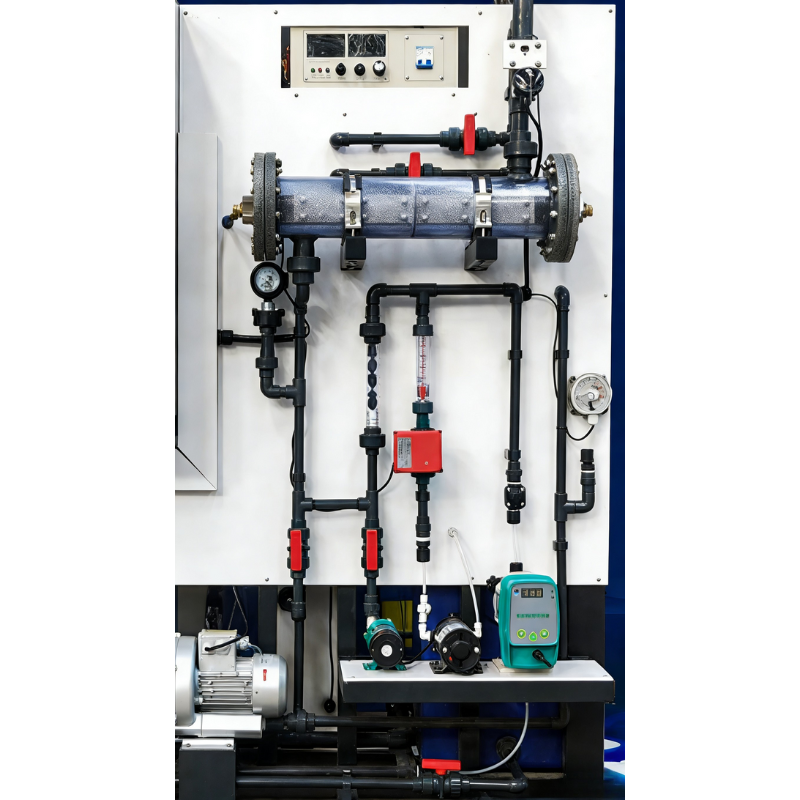
Our Sodium Hypochlorite Generator adopts the electrochlorination technology, which produces sodium hypochlorite (NaOCl) – a powerful disinfectant – using only three raw materials: water, common salt, and electricity. By passing brine (or seawater) through an electrolyzer with direct current, electrolysis occurs to generate sodium hypochlorite instantaneously. The generated solution can be dosed into water at the required concentration to achieve efficient disinfection, as well as prevent algae growth and biofouling.
Operating Condition
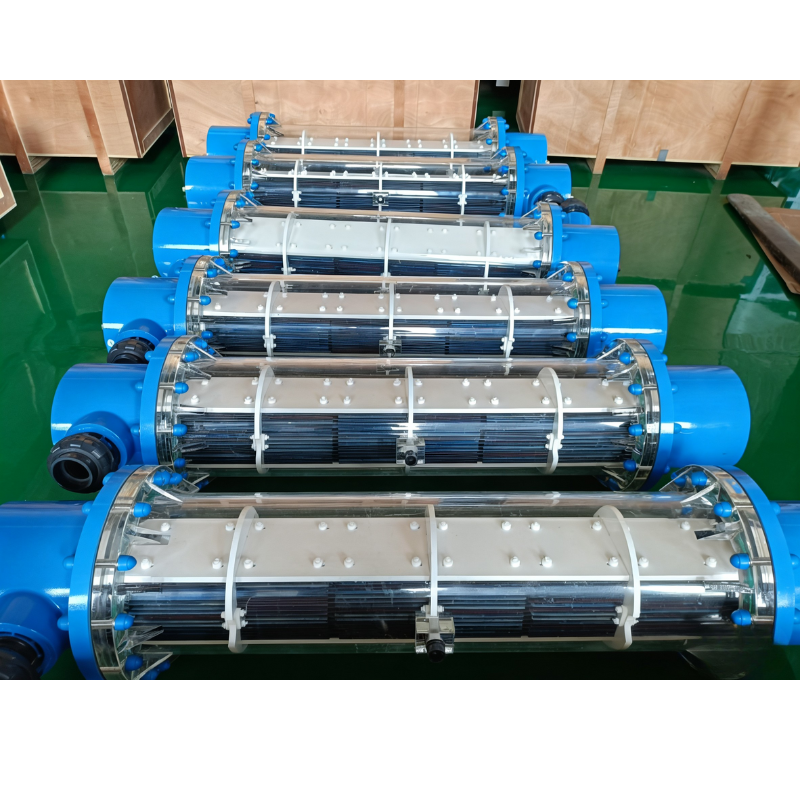
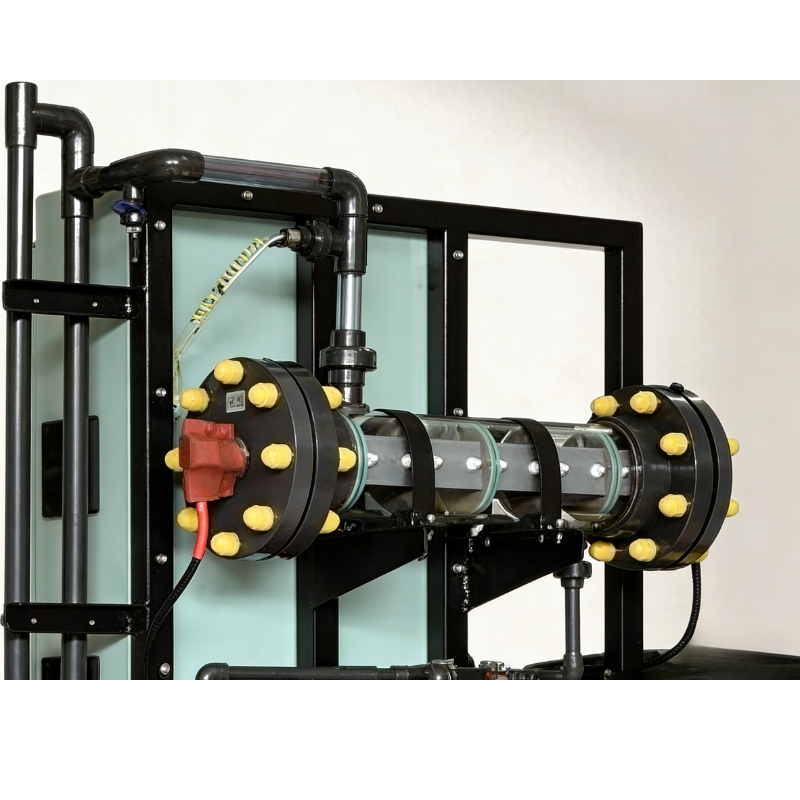
The electrolyzer is the core component where electrolysis of sodium chloride solution (a good electrical conductor) takes place via anode and cathode. The key reactions are as follows:
1. Electrolysis of sodium chloride solution:
Chlorine (Cl₂) is produced at the anode, while sodium hydroxide (NaOH) and hydrogen (H₂) are generated at the cathode.
2. Formation of sodium hypochlorite:
Chlorine further reacts with sodium hydroxide to form sodium hypochlorite.
The generated solution features a pH value of 8-8.5 and a maximum equivalent chlorine concentration of less than 8 g/l, with excellent shelf life for convenient storage. Unlike membrane-produced sodium hypochlorite, no pH adjustment is needed after dosing. The solution reacts stably to form hypochlorous acid (NaClO + H₂O = NaOH + HClO) for reliable disinfection.
Raw material consumption for 1kg equivalent chlorine: 4.5kg salt + 4kWh electricity. The final product is a 0.8% (8g/l) sodium hypochlorite solution.
Key Features & Benefits
Simple & Convenient
Only water, salt, and electricity are required; easy to operate without complex processes.
Non-Toxic & Safe
Common salt as the main raw material is non-toxic and easy to store. Avoids the hazards of storing or handling toxic chlorine gas and high-concentration disinfectants.
Cost-Effective
Low operating costs compared to traditional chlorination methods, with no expensive commercial disinfectant procurement.
Stable Dosage
On-site generated sodium hypochlorite does not degrade, eliminating the need for daily dosage adjustments based on solution strength.
Compliant & Reliable
Approved disinfection method meeting drinking water regulations; safer alternative to chlorine gas systems with lower safety requirements.
Long Service Life
More durable than membrane cell electrolysis systems.
On-Demand Production
Produce only the required amount when needed, avoiding waste from expired disinfectants.
Environmentally Friendly
Reduces carbon emissions by 1/3 compared to 12.5% commercial sodium hypochlorite. The<1% concentration solution is non-hazardous, reducing safety training costs and improving worker safety.
Wide Application
Efficiently prevents microbial fouling, algae, and crustacean growth on equipment. Ideal for emergency water disinfection during earthquakes, floods, or epidemics, as well as point-of-use drinking water disinfection in rural and village areas.
Advantages of On-Site Sodium Hypochlorite Generator
Compared with other chlorination methods, on-site sodium hypochlorite generation not only offers significant economic benefits but also superior technical advantages. Below are the key drawbacks of commercial sodium hypochlorite (10-12% active chlorine, also known as liquid chlorine) that our on-site generator avoids:
1. Corrosion Risk
Commercial hypochlorite has a very high pH and chlorine concentration, making it highly corrosive. It easily exploits weaknesses in piping systems, leading to leaks and equipment damage. Our on-site generated solution (pH 8.7-9) is mild and non-corrosive to equipment.
2. Scaling Problem
The high pH of commercial hypochlorite raises the mixed water pH above 9 when diluted, causing calcium in water to react and precipitate as calcium carbonate scale. This scales up pipes, valves, and rotameters, affecting their functionality. Our on-site solution requires no dilution and does not cause scaling.
3. Hazardous Gas Production
Commercial hypochlorite degrades over time, producing oxygen gas. The decomposition rate accelerates with concentration, temperature, and metal catalysts, posing safety risks.
4. Personal Safety Hazards
Even small leaks in commercial hypochlorite feed lines can lead to water evaporation and chlorine gas release, endangering worker health.
5. Chlorate Formation
Commercial hypochlorite degrades into chlorate ions (ClO₃⁻) and oxygen, especially under high pH, high temperature, or metal catalyst conditions. High chlorate levels are undesirable in drinking water. The American Water Works Association Research Foundation (AWWARF) confirms that concentrated bleach decomposition is the main source of chlorate. Our on-site solution has low concentration and stable properties, avoiding chlorate formation.
Two main decomposition pathways of commercial sodium hypochlorite:
a) Chlorate formation due to high pH:
b) Chlorine evaporation loss due to temperature rise
Higher concentration commercial products decompose faster. Over time, their available chlorine strength will be lower than low-concentration products, leading to ineffective disinfection.
Chlorine Disinfectant Comparison Chart
| Product Form | pH Stability | Available Chlorine | Form |
|---|---|---|---|
| Cl₂ gas | Low | 100% | Gas |
| Sodium hypochlorite (Commercial) | 13+ | 5-10% | Liquid |
| Calcium hypochlorite granular | 11.5 | 20% | Dry |
| Sodium hypochlorite (On-site) | 8.7-9 | 0.8-1% | Liquid |